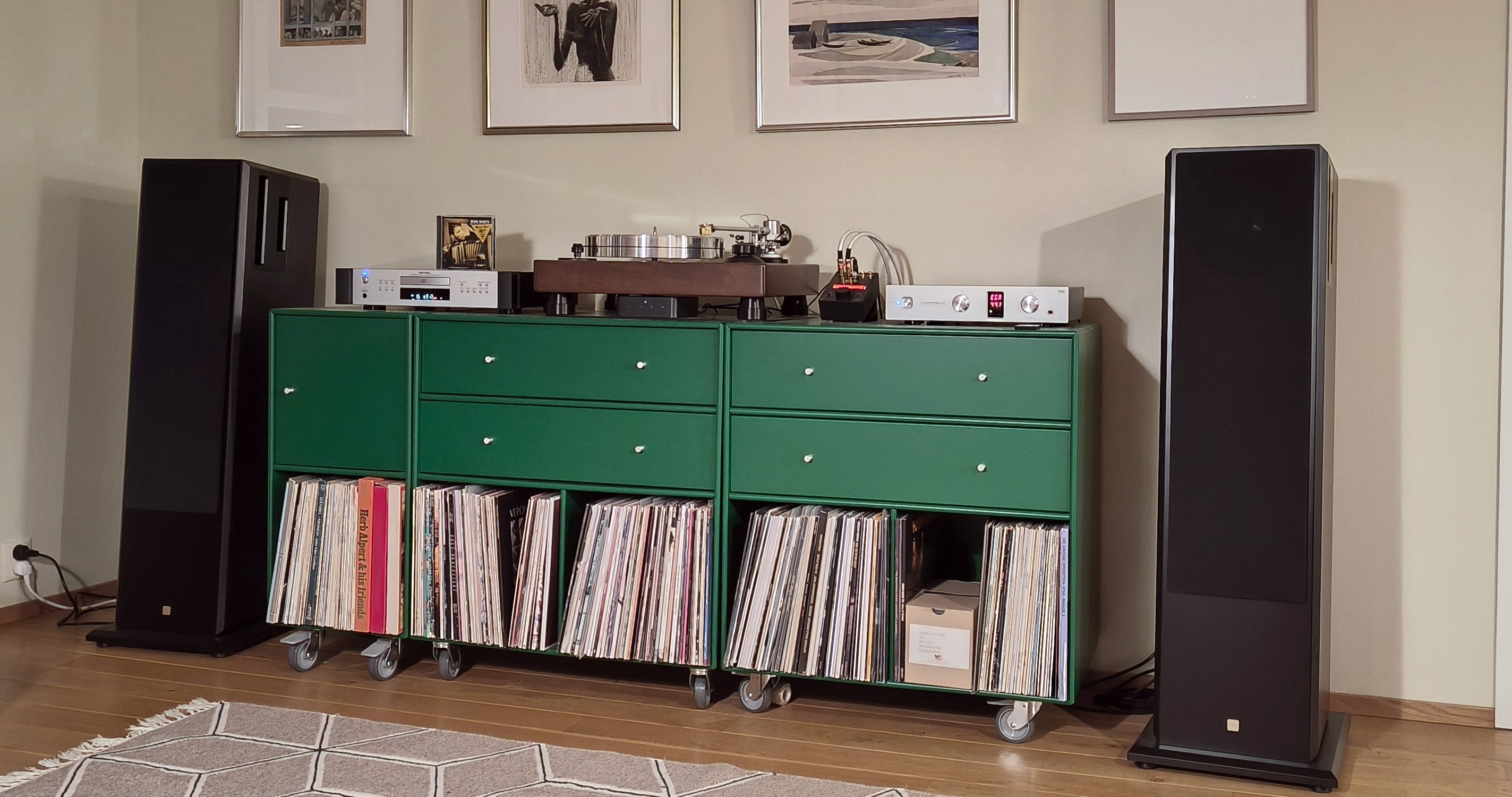


A customer wrote to us recently explaining one of the reasons he'd been willing to order a pair of Sarannas. His reasoning wasn't about drivers or measurements. It was this:
"It's an active speaker with DSP, but it isn't all-inclusive with streaming and everything else, in a market that changes constantly. Now I can choose freely and stay up to date with those platforms without having to replace the speakers just because they don't support the latest update to Tidal, Spotify or Roon."
(Quote shared with permission from the customer)
He had identified the deliberate principle behind this decision more precisely than we had ever stated it publicly. So let's do that now.
Every part of a music system has a different lifespan
A loudspeaker cabinet can last fifty years. Good drivers last twenty or more. Amplification and DSP hardware will run for ten to fifteen. A streaming platform's software interface changes every two to four years. Sometimes faster. And always without asking your permission.
When you put all of those things inside one enclosure, the product inherits the lifespan of its shortest-lived component.
Look at network-connected audio hardware sold ten years ago. A great deal of it still produces sound perfectly well and is nonetheless unusable. Bricked. Because a service was discontinued, an app was withdrawn from the store, or an authentication protocol changed and the manufacturer had no commercial reason to keep issuing firmware for a product they no longer sell.
They were killed by a software dependency that had nothing to do with reproducing music.
We think it's difficult to defend asking someone to spend serious money on a loudspeaker with such a dependency built in.
Integrate when it improves the sound. Not when it merely adds convenience
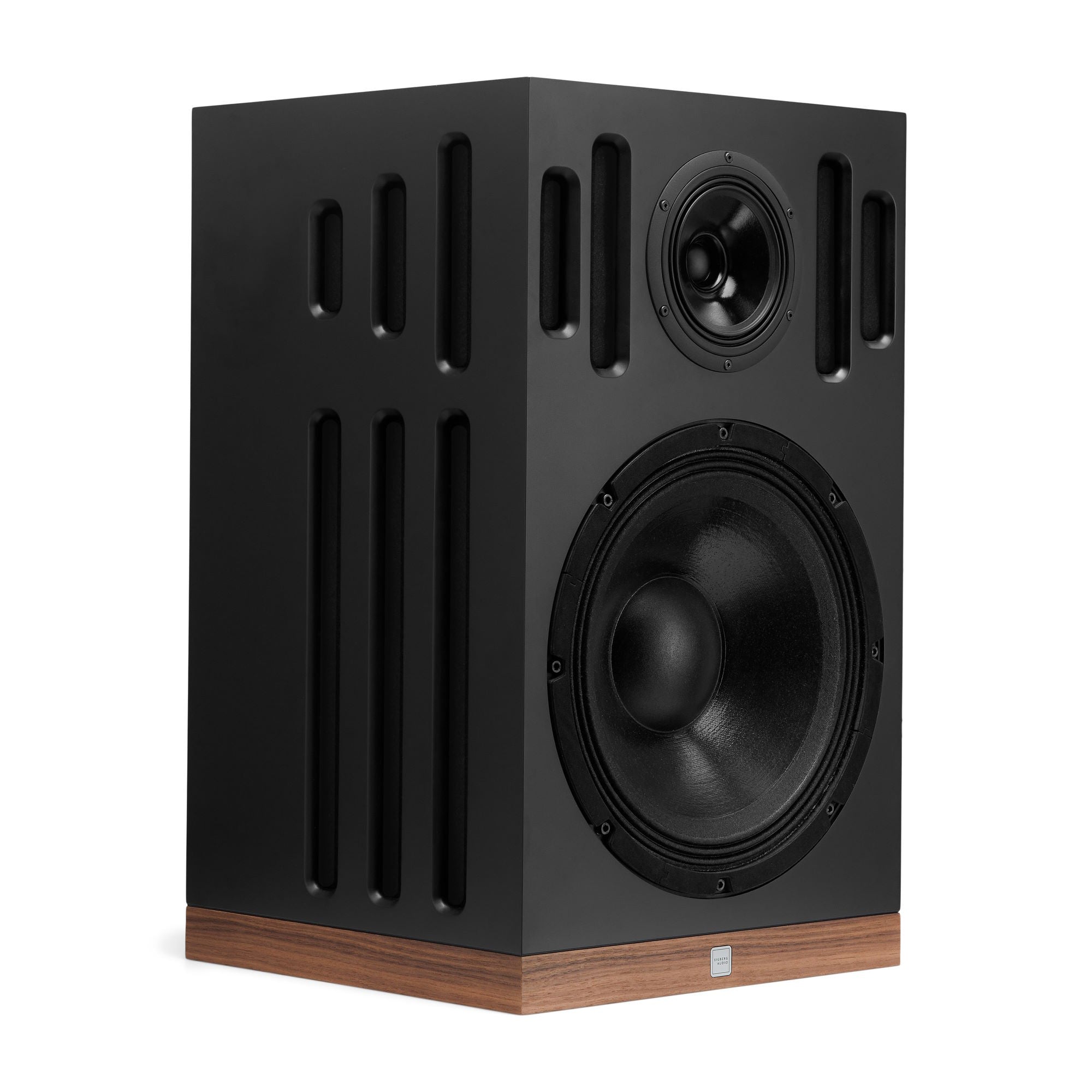
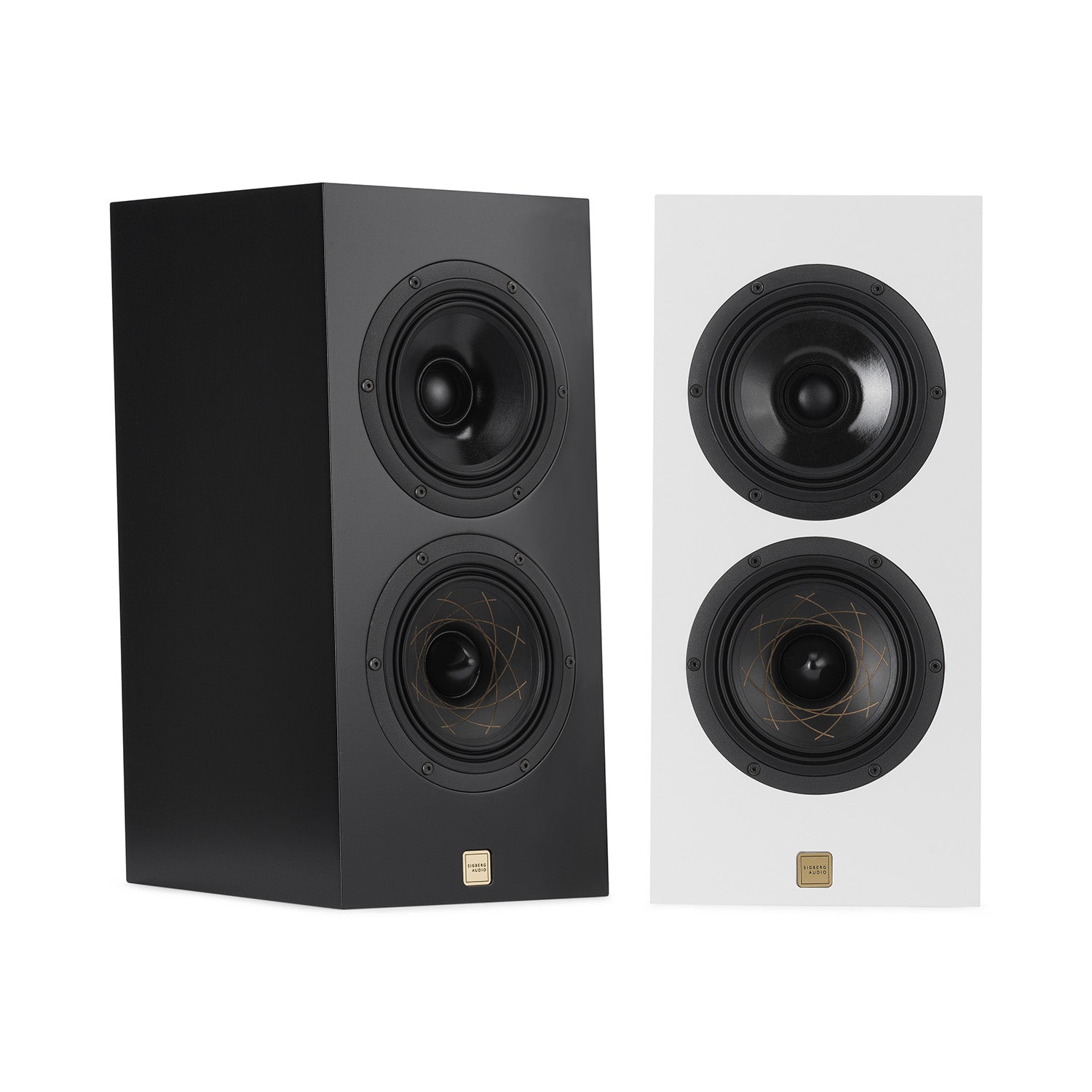
This is our principle, and it explains what might otherwise look kind of old fashioned: our speakers are active, with amplification and DSP built in, but they will not stream anything.
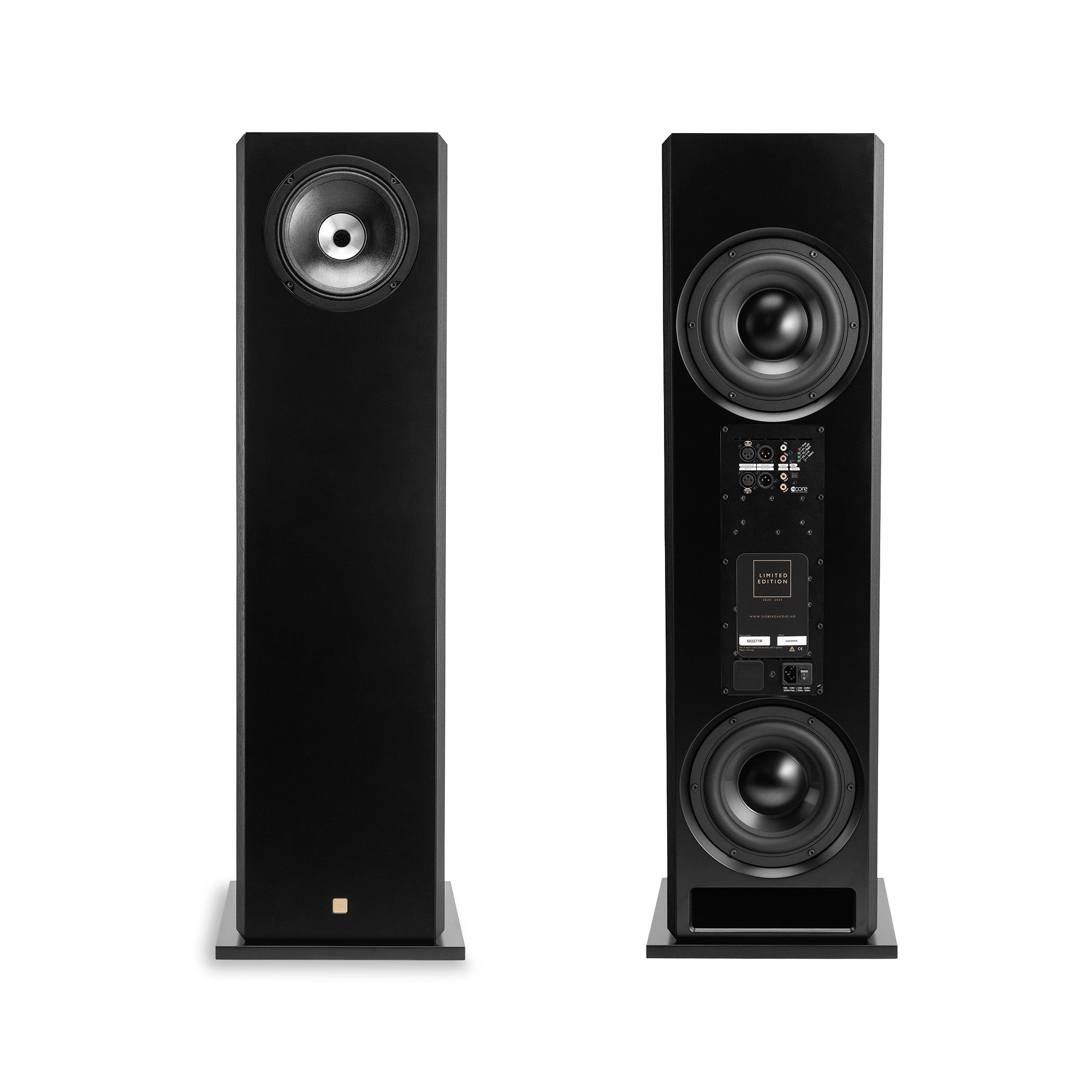
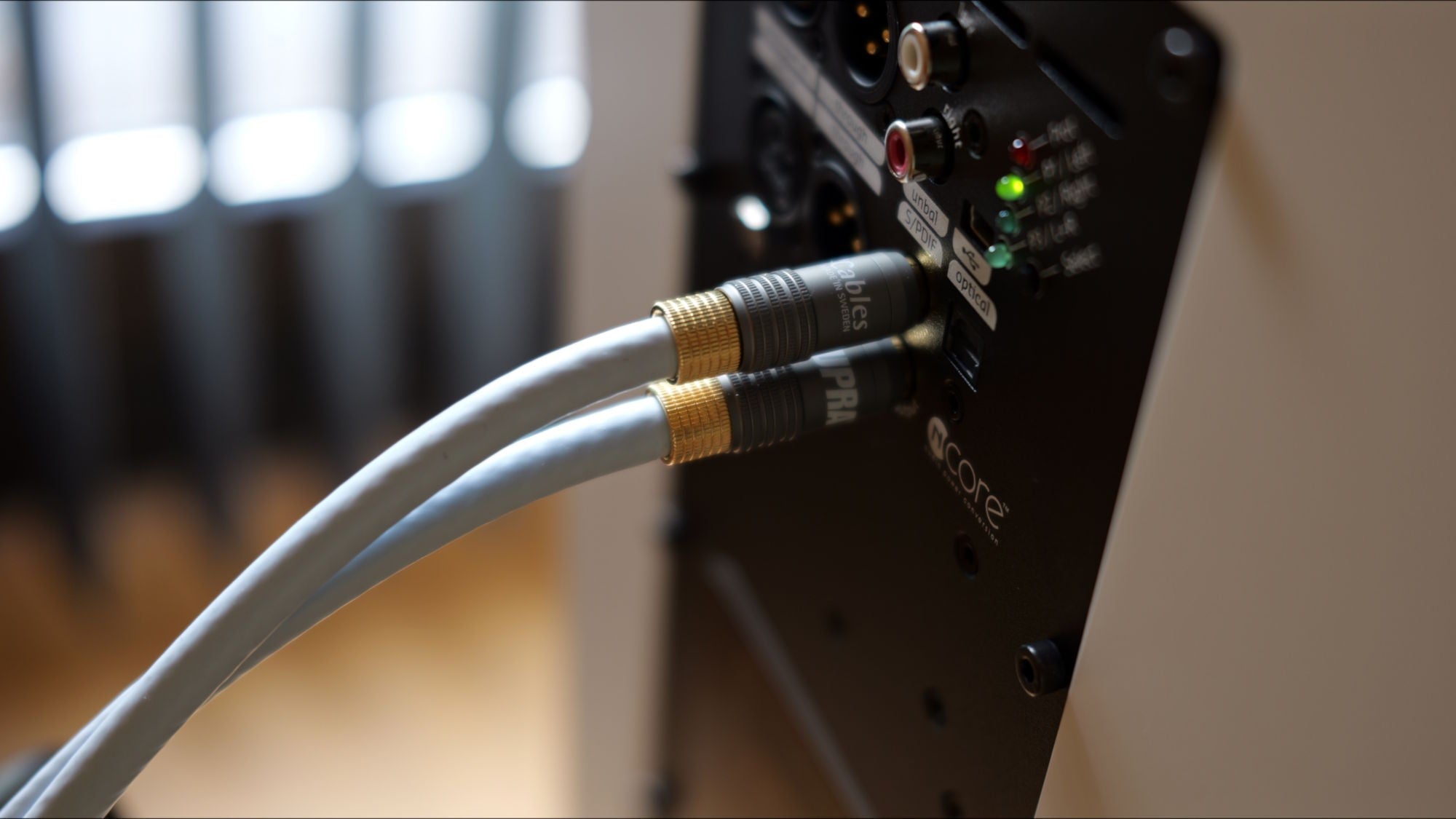
Building the amplifier and DSP into the speaker produces real improvements. The amplifier is matched to the specific driver it controls. The crossover is implemented in the digital domain, doing things a passive crossover network simply cannot do. Every unit is measured individually and pair matched when needed.
Adding a streaming board produces no audible improvement at all. It plays back the same bits your existing streamer already sends. And it introduces the fastest-moving obsolescence risk in the entire signal chain.
So we didn't. Use whatever source you like. Change whenever you like. The speakers won't notice, and they won't care when Roon needs an update.
What happens when our own electronics eventually fail
The obvious objection: our speakers still contain amplification and DSP, and that hardware won't last forever either. This is true.
While failures are few and far between, here is how we handle it when it happens: The amplifier module is user-replaceable in about ten minutes. If you'd rather not do it yourself, we'll arrange and pay for a local representative to do it under warranty, or provide it at cost outside warranty. You will of course get a new module immediately rather than waiting for a repair. Shipped express to your door.
The old module isn't thrown away. It is shipped back to us, and we repair it. It goes back into service as a replacement unit for a future repair, or in our own prototypes and demo systems.
So the failure case for a Sigberg speaker is a ten-minute module swap, not a new pair of speakers. That is a very different proposition from an integrated product whose obsolescence is built-in.
We won't claim immunity. We depend on our amplifier platform remaining available, and if that ever changes we will have to solve it. The difference is that this is a hardware supply problem with hardware solutions, and it moves on a timescale of decades. Not a software dependency that can break on a Tuesday because someone updated an API.
The underlying principle
Buy the slow-moving parts from people who think in decades. Buy the fast-moving parts from people who ship updates every month, and replace them cheerfully when they age out.
Our speakers are slow-moving parts. Purposely built to last.