


Adding a subwoofer is one of the most effective upgrades you can make to a hi-fi or home cinema system. But once you already have a good subwoofer and enough bass output, it’s natural to ask:
What would I actually gain from adding a second one?
The answer is not “more bass.” In fact, the biggest benefits of dual subwoofers are often not obvious at first glance. But they are very real and very audible.
Below are the five main reasons why two subwoofers outperform one, even when maximum bass level is already sufficient.
1. More effortless and cleaner bass
With two subwoofers, each unit only has to do roughly half the work compared to a single sub playing at the same overall level.
This has an important side effect: lower distortion and less mechanical stress on each subwoofer.
Even at moderate listening levels, this often translates into bass that sounds:
-
cleaner
-
less strained
-
more natural on dynamic passages
The improvement is not about playing louder, but about playing with more ease. Many listeners describe this as bass that simply feels “more effortless,” even if the volume hasn’t changed.
2. Smoother bass response
Low frequencies interact strongly with the room. With a single subwoofer, the bass response at the listening position is often uneven, with peaks and dips caused by room modes.
Adding a second subwoofer, especially when placed at a different position, excites the room in a different way. The result is typically:
-
fewer deep nulls
-
less exaggerated peaks
-
a more even bass response overall
Room correction systems (like Dirac, Audyssey, Trinnov or similar) can help a lot, but it is very difficult to fully solve room-related bass issues with just one subwoofer. With two subs, the room correction has less work to do, and the final result is often smoother and more natural sounding.
3. Better integration with the main speakers
As a side effect of the previous point, dual subwoofers often result in improved integration in the crossover region between the subwoofers and the main speakers.
When the overall bass response is smoother and more even, the same will be true for the crossover area. This means the transition from subwoofer to main speakers will be cleaner and more seamless. This can lead to:
-
tighter perceived midbass
-
improved rhythmic precision
-
less masking of lower midrange detail
Many listeners are surprised to find that adding a second subwoofer doesn’t just improve bass, but can also make vocals, guitars, and other midrange content sound clearer and more defined. The more uneven the bass range is, the more it will mask and muddy the lower midrange.
4. Reduced sense of bass coming from a single location
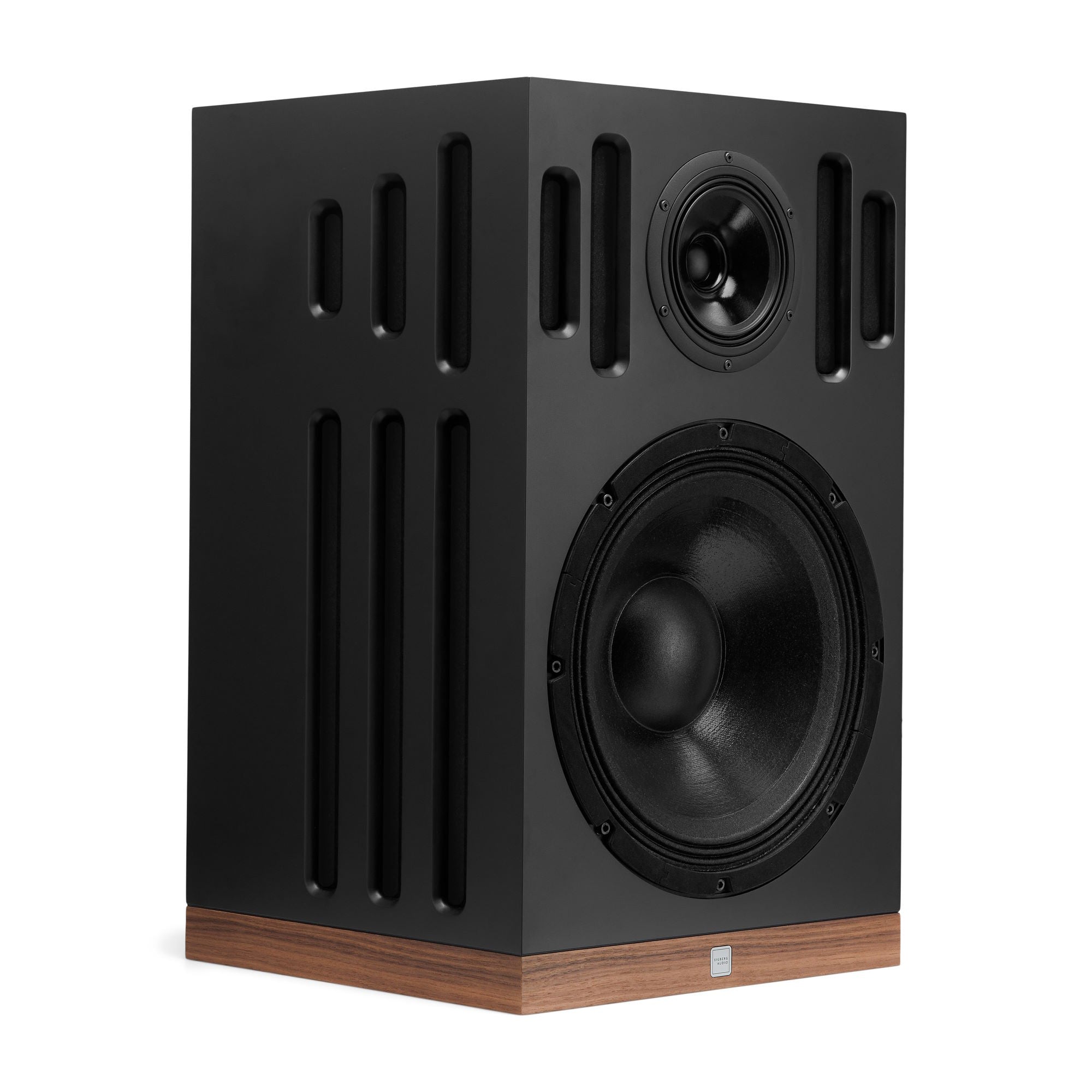
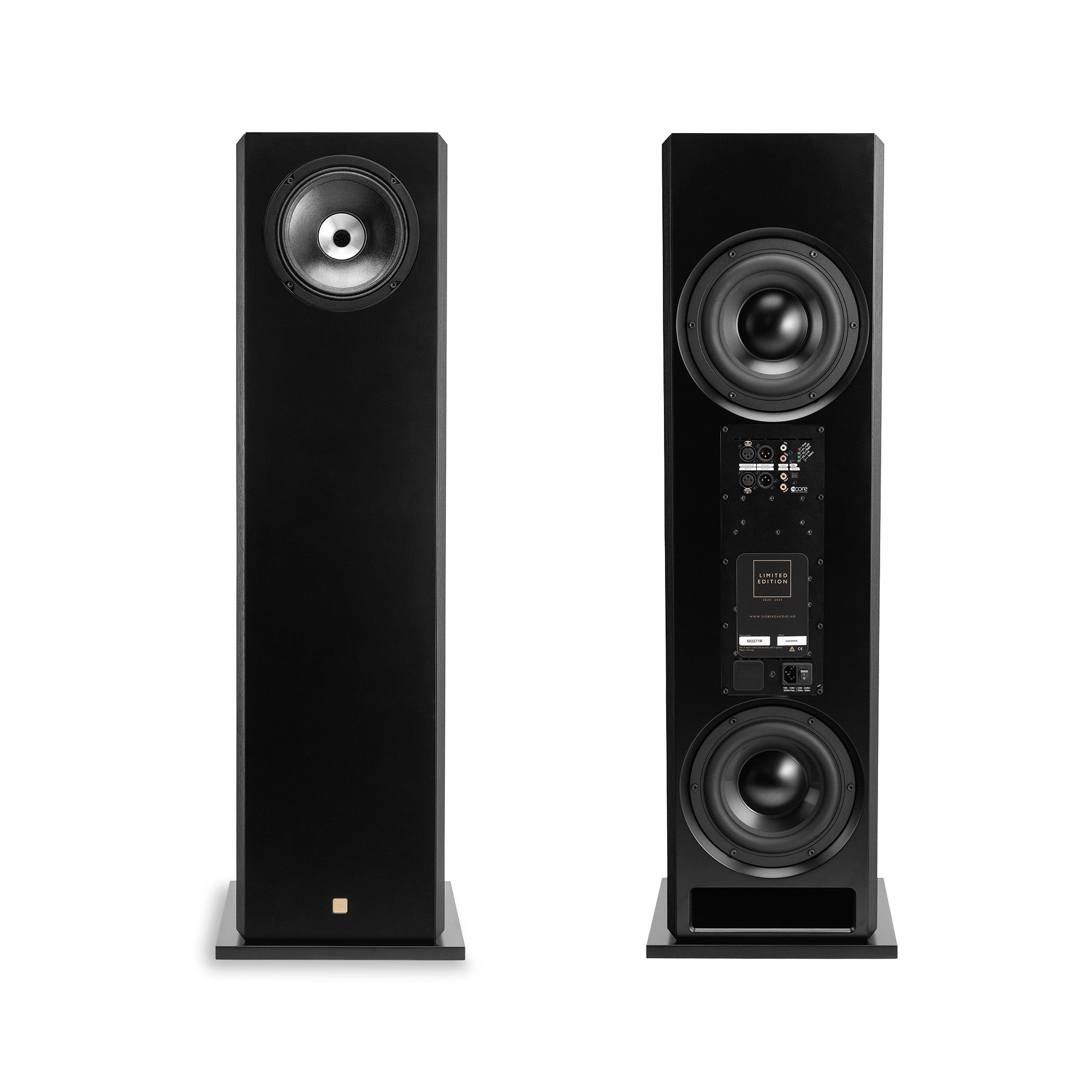
Bass localization is often less of a problem than people expect, especially with a well-designed, low-distortion subwoofer like the subwoofers from Sigberg Audio. Still, when all low frequencies come from a single point in the room, the presentation can sometimes feel “anchored” to that location.
With two subwoofers placed apart:
-
bass becomes less tied to a single spot
-
the soundstage feels larger and more enveloping
-
low frequencies integrate more naturally with the stereo image
The effect can be subtle, but it contributes to a greater sense of scale and immersion.
5. More consistent bass across the room
With a single subwoofer, bass can vary significantly depending on where you sit. Move your head, change seats, or walk around, and the bass level may change noticeably.
Using two subwoofers generally improves seat-to-seat consistency, meaning:
-
bass level varies less across the room
-
more listeners get a similar experience
-
the system sounds more balanced overall
This benefit is especially valuable in shared listening spaces, but it also improves the experience for a single listener who isn’t always seated in exactly the same position.
Summary
If you’re already happy with your system, a second subwoofer is perhaps a refinement, more than a necessity. The biggest step usually comes from adding the first subwoofer. The second one still improves quality, smoothness, and integration, but may not be perceived as dramatically better as adding the first one.
That said, in many real rooms, dual subwoofers remain one of the most effective ways to improve overall system performance once the basics are in place.
While two subwoofers do improve headroom, the main reason to go this route is to make bass cleaner, smoother, and better integrated. In doing so, you often improve the entire listening experience, not just the low end.
If you’re curious whether a dual-sub setup makes sense in your room, remember that placement and setup matter a lot. Feel free to reach out to us to discuss how to get those details right!