

It's not the room. It's not the recording. It's your speakers.
Killing in the Name by Rage Against The Machine.
Paranoid by Black Sabbath.
Sehnsucht by Rammstein.
Epic tracks that beg to be turned up to 11. But when you do, your ears beg you to turn it back down. I guess the recording isn't that good. And my room can't handle loud music anyway.
Sound familiar?
Of course, not all tracks are stellar recordings. And a very reflective room isn't a great recipe for good sound at high volume. But there's more to the story than that. For years I assumed the problem was the recording, or just what loud music sounds like. And that my room simply couldn't handle music that loud. It just wasn't possible to get anything close to a concert experience at home.
In reality, it was the speaker failing under load. And most speakers fail much earlier than you think.
Demanding music asks a speaker to do several brutal things at once: reproduce huge transients, sustain high output without the voice coils heating up and compressing, and keep multiple dense low-frequency events separate instead of melting them together. Put on something like Silvera by Gojira and turn it up, and you can hear all three demands arrive at once. And your speakers screaming for mercy.
But Gojira does not do mercy.
One of the most demanding jobs of a mixing engineer for complex music is to find space in the mix for everything that is going on. And your speaker's job? To reproduce it all as individual elements rather than just mush.
What the high-end industry got wrong
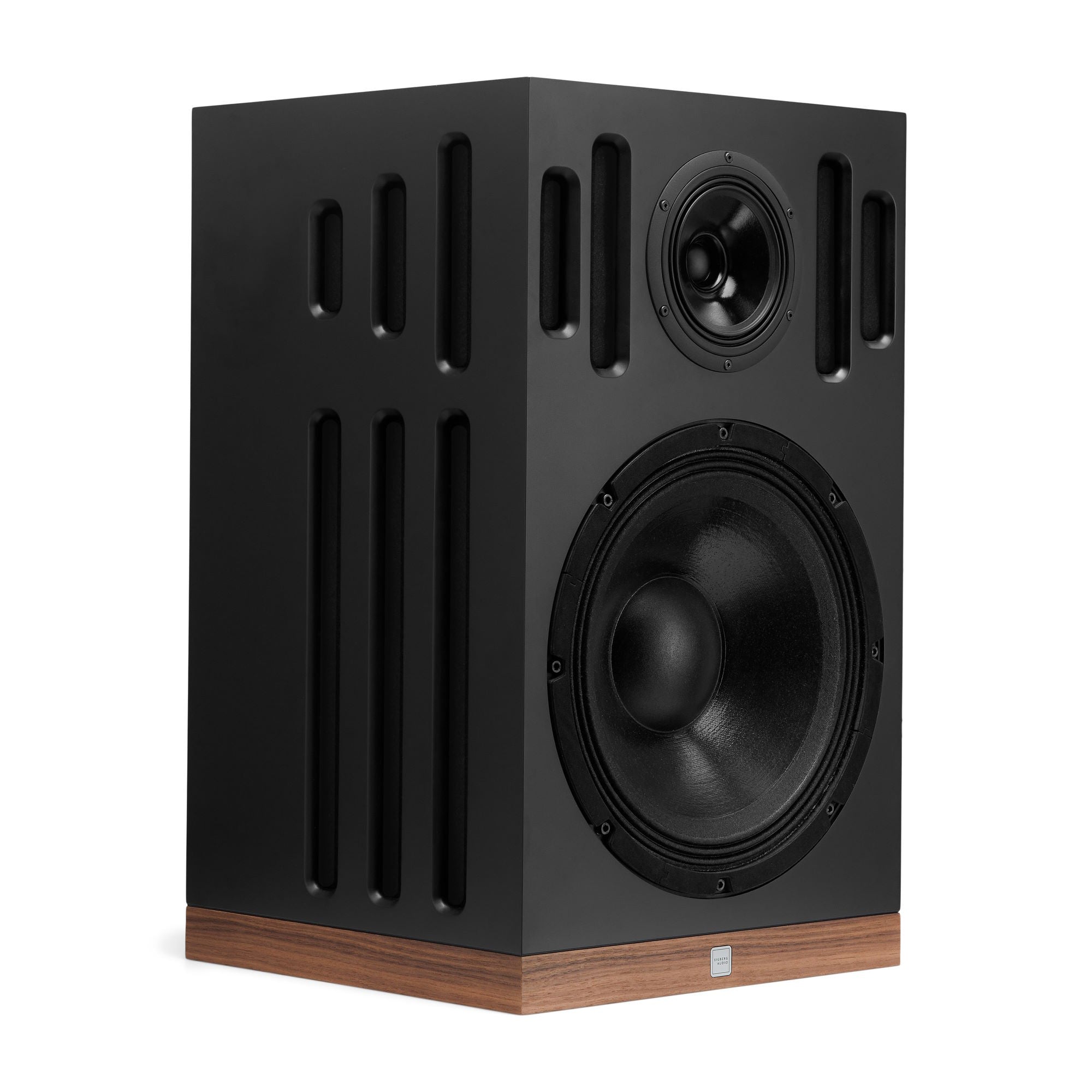
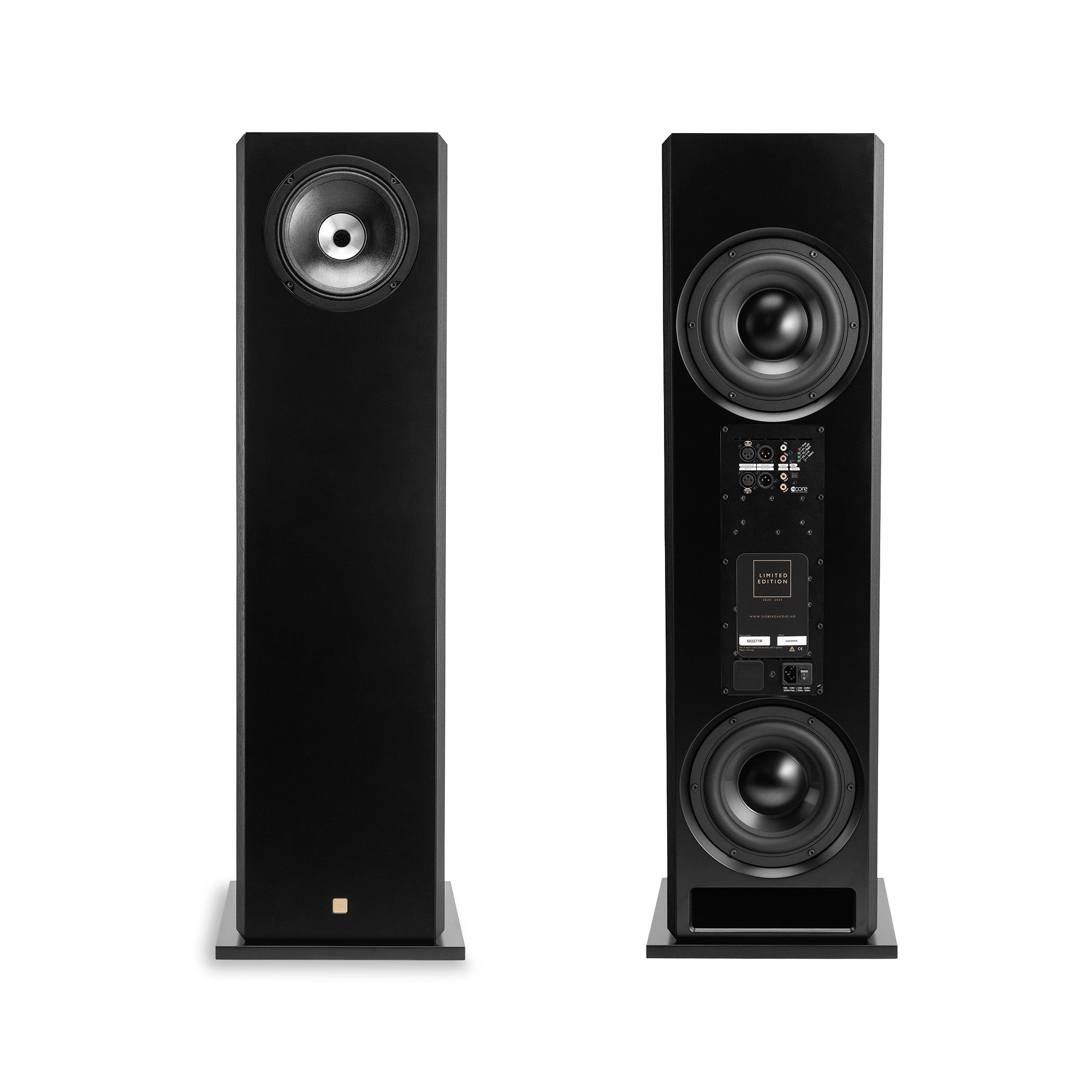
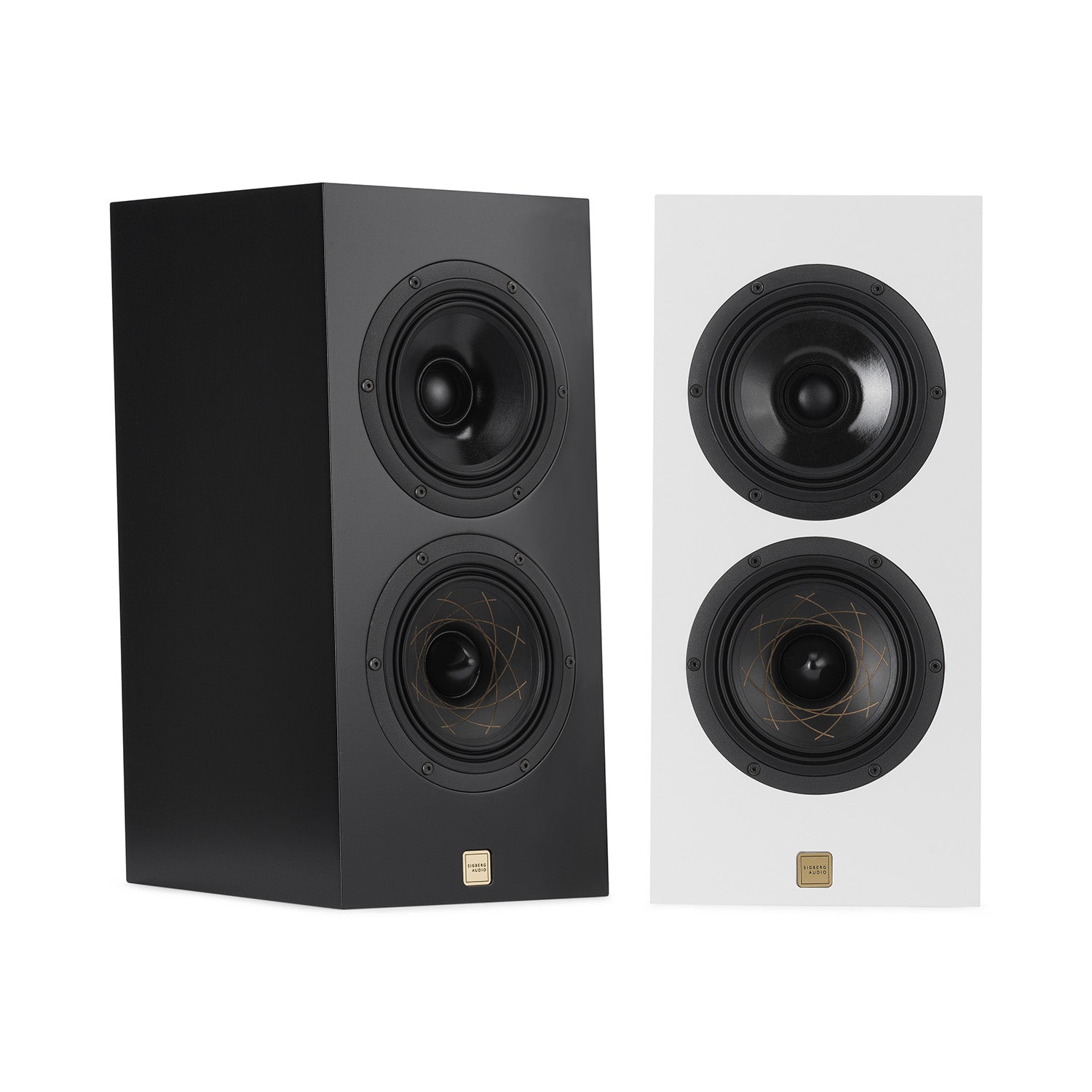
I don't know about you, but I want a system that stays composed no matter how demanding the music is. Many high-end brands happily charge five figures for a small 2-way speaker that will literally catch fire if you so much as reach for the latest Meshuggah album. For many high-end manufacturers, dynamic capacity seems to be a low priority. We put it at the top of our list.
When developing our speakers, I test them on all genres imaginable. But I relentlessly play demanding rock and metal until it sounds exactly right.
Building for the extreme forces specific choices. Active amplification, so every driver gets its own dedicated amplifier module. Drivers with real headroom, so the speaker is coasting along where others are straining. Digital crossovers, so we can provide precise tuning through rapid development iterations. And while listening is important, equally so are the measurements. Both in an anechoic chamber and in different real rooms to ensure theory translates to real-life performance. And we're not hiding the results. They are published both in development threads and product pages.
Once a speaker doesn't flinch at the hardest thing we can throw at it, everything becomes easy. An orchestral crescendo at full tilt, a dense EDM bass line, a live recording played at the volume you'd hear at the venue. You no longer have to hand-pick tracks that sound good. Play your favorite music.
And before you conclude it's all about rock and party music, I assure you the opposite is true. The requirement of composure, separation and low distortion rewards us with something else entirely: The cracked voice of a heartbroken female singer. The faint sound of her fingers brushing across the strings of an acoustic guitar. Portrayed perfectly. And by perfect I don't mean in a clinical fashion. Rather perfectly reproducing the natural imperfections and soul present in the recording.
Sigberg Audio thrives on the extreme, but also the nuance of the music that touches our hearts.
Is Sigberg Audio for you?
None of this makes us right for everyone.
While our systems are designed to make any track sound as good as it can sound, they do so without artificial coloring. Our systems are also used in studios, so Sigberg Audio provides the truth, not sugarcoating. But in contrast to some brands, there are no elevated highs or showroom sparkle. The tonality is natural and fatigue-free while remaining open and detailed, so you can enjoy long sessions with your favorite tracks. Included in the price is personal support and assistance to set up the system and get the most out of it in your space.
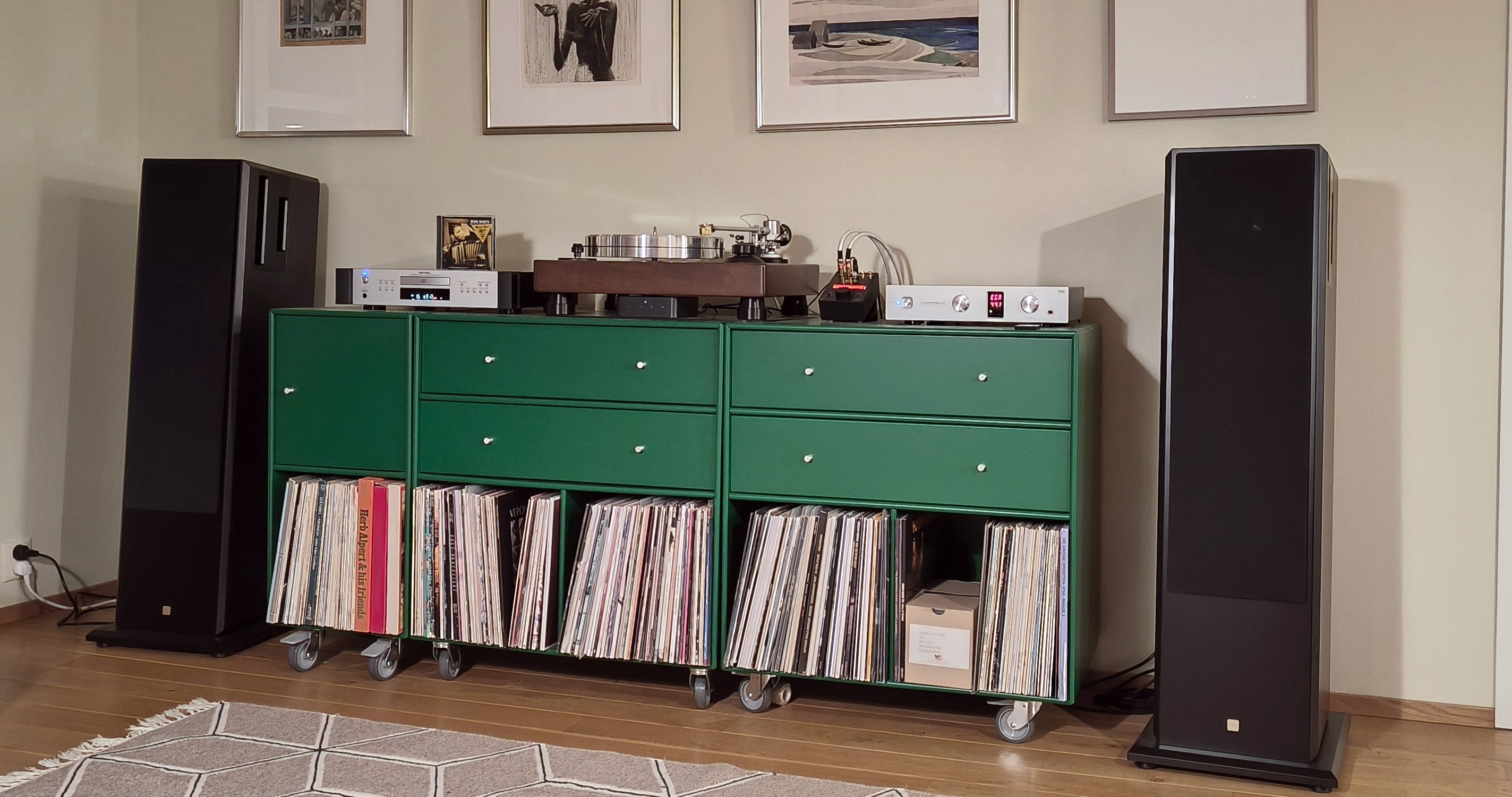
If you're not there yet, if this is a system you're working toward rather than buying tomorrow, reach out anyway. The contact form below will put you in direct contact with me. I am happy to discuss whether you're deciding this week or building toward it over years. And when you're ready, you don't have to take my word for any of this. Put on the most demanding track you own, in your own room, and listen. That's what our 60-day trial period is for.
-Thorbjørn Sigberg
Founder, Sigberg Audio
Related articles: Do You Need High-End Loudspeakers For Rock & Heavy Metal?