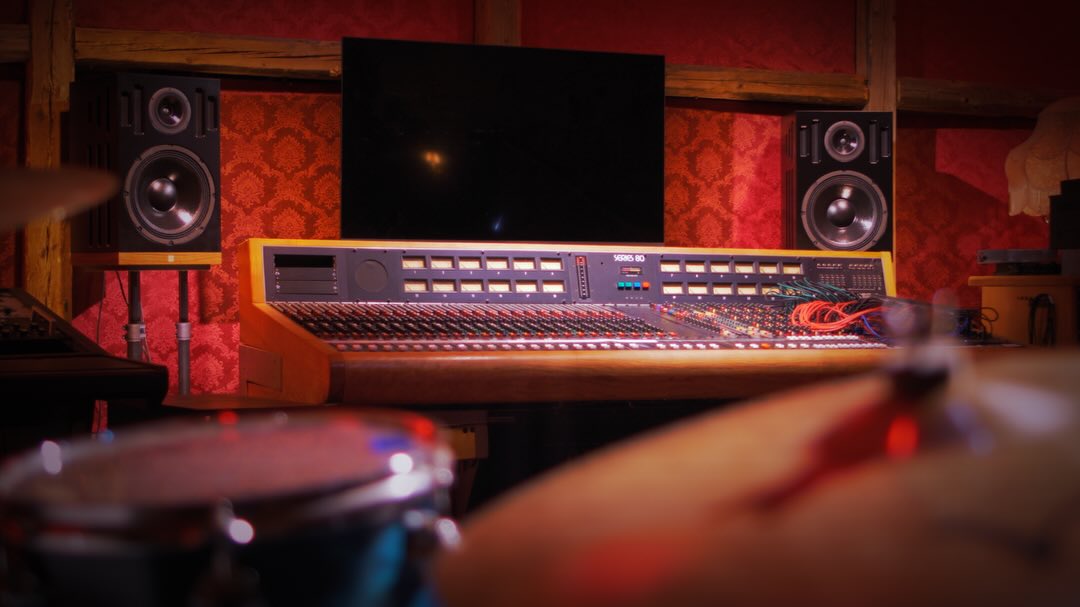

It may not be so easy to detect that a system is running out of headroom. And we may assume there are other reasons we choose not to play loud.
Some telltale signs
- Do you reach for the volume control to turn it down as the music progresses into the more dramatic parts?
- Do you find some albums to be badly recorded and compressed, while others sound fine?
- Do you find your system to sound best at moderate volume?
- Have you concluded that your room can't handle loud music?
In that case, you may have a headroom problem. Your system aren't capable of playing as loud as you want it to. Distortion and compression aren't always so easy to identify. The music gets harder and less involving as it gets louder, and you suddenly feel like turning the volume down again. It must be the room right? Or maybe you just don't enjoy loud music?
What happens when a system is headroom limited
1. Excursion. A driver has a limit to how much it can move and stay linear. Past this point, distortion increases rapidly. This is often the problem especially in low frequencies (deep bass).
2. Thermal compression. As a voice coil heats up, it becomes more resistant. The same amount of power into the driver no longer produces as much volume. Dynamics are gradually reduced during a prolonged listening session.
3. Amplifier clipping. If you push your amplifier beyond its capacity, the result can be very audible, and potentially damage your speakers.
A speaker doesn't necessarily fall apart completely at its limit. Compression and distortion can happen early, and well below the stated maximum SPL (if that number is even specified by the manufacturer).
Figuring out what you need
Step 1: Your peak level
It's easy to underestimate this. People think in terms of average level, while the speaker has to reproduce peaks without compressing.
The gap between average and peak is called the crest factor. For compressed pop it might be 10 to 12 dB. A dynamic recording can be up to 18–20 dB. So 2x-4x of perceived loudness.
Example:
- Comfortable average listening level: 85 dB
- Crest factor of a dynamic recording: 20 dB
- Required peak capability: 105 dB
85dB isn't crazy loud, but you still need 105 dB peaks. Those peaks has to be reproduced without compression to faithfully reproduce your music and avoid listening fatigue from distortion. You can use a simple SPL meter on your phone to get a feeling for how loud you normally listen.
Step 2: Distance
In a domestic room, you lose around 4-6dB per doubling of distance.
2m listening distance: 4-6dB less than a 1m specification
3m listening distance: 7-9dB less than a 1m specification
4m listening distance: 9-12dB less than a 1m specification
So a 105 dB peak at a 3 m listening position requires roughly 112–114 dB at 1 m from the speaker.
This is a number that most compact loudspeakers cannot dream of achieving. A surprising amount of floorstanders will struggle too.
Step 3: Low frequencies
Did you know that to play an octave lower at the same volume, a speaker has to move four times as much air?
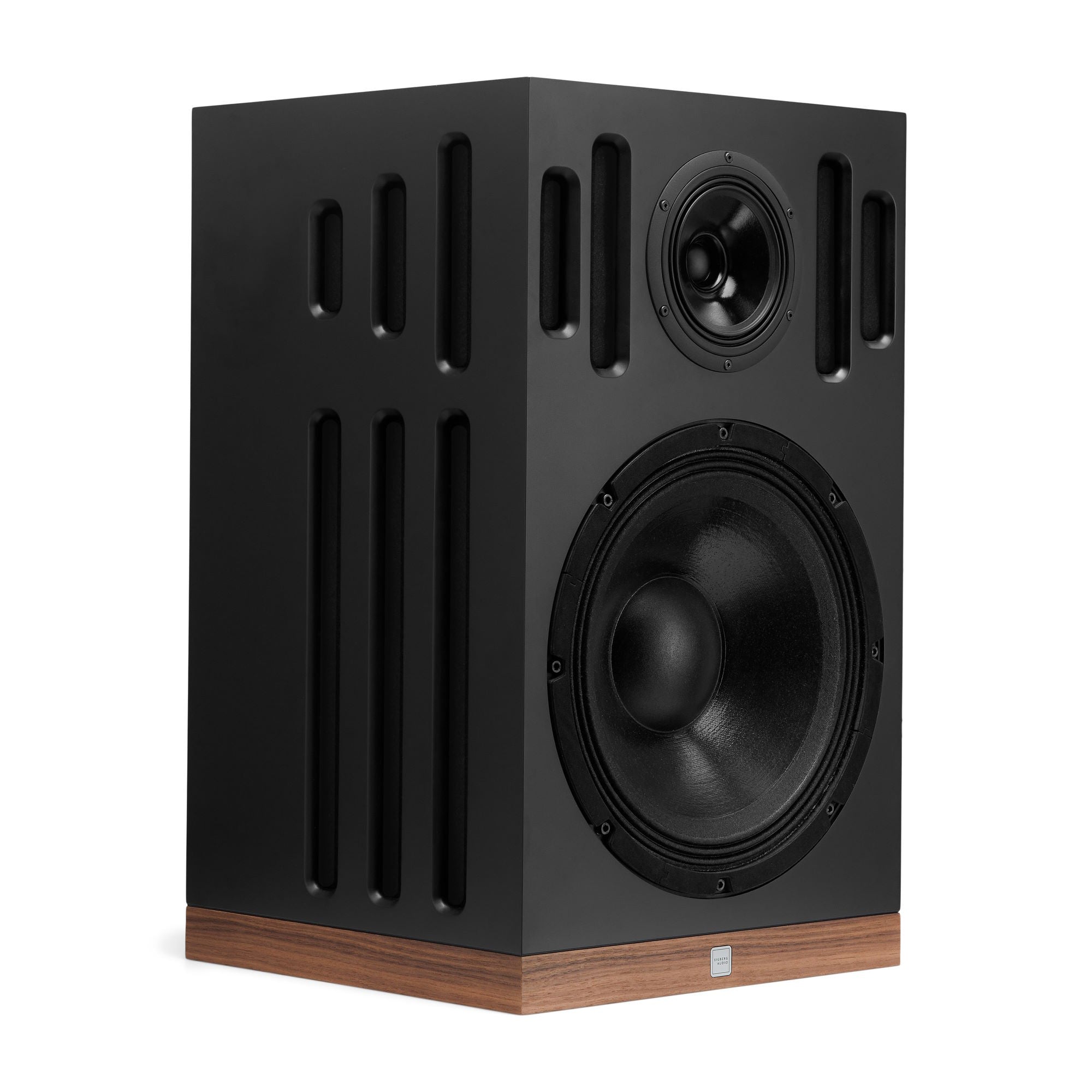
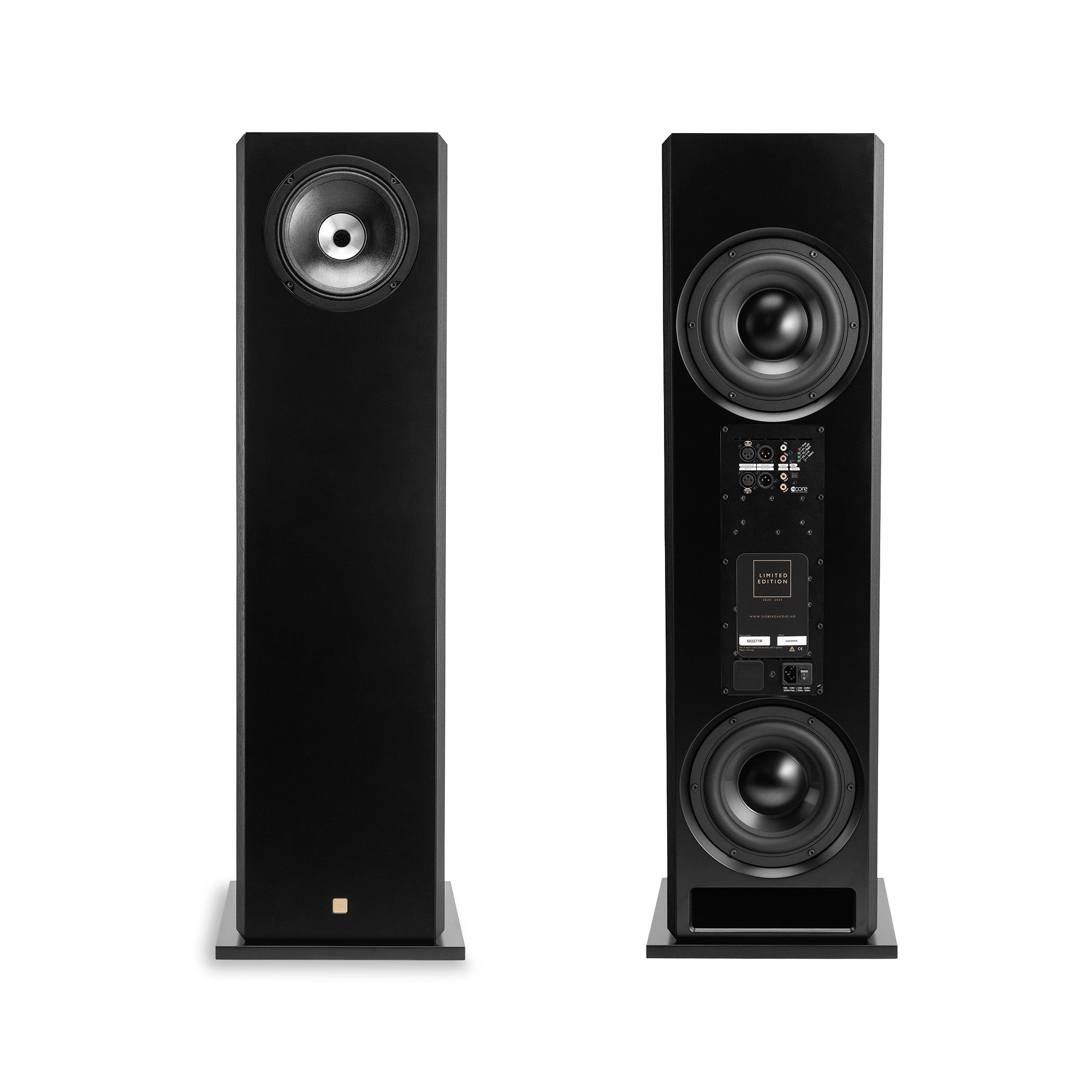
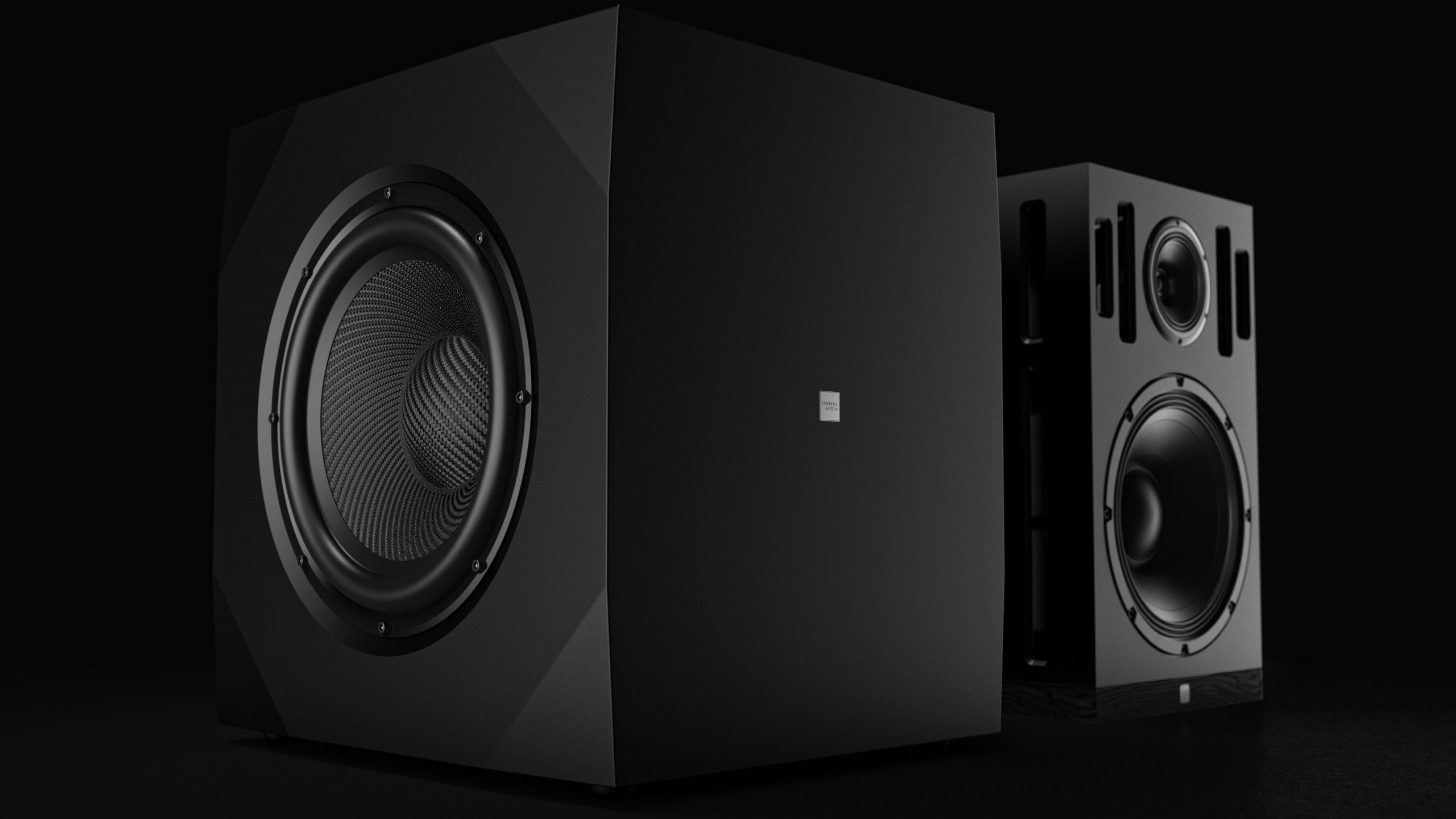
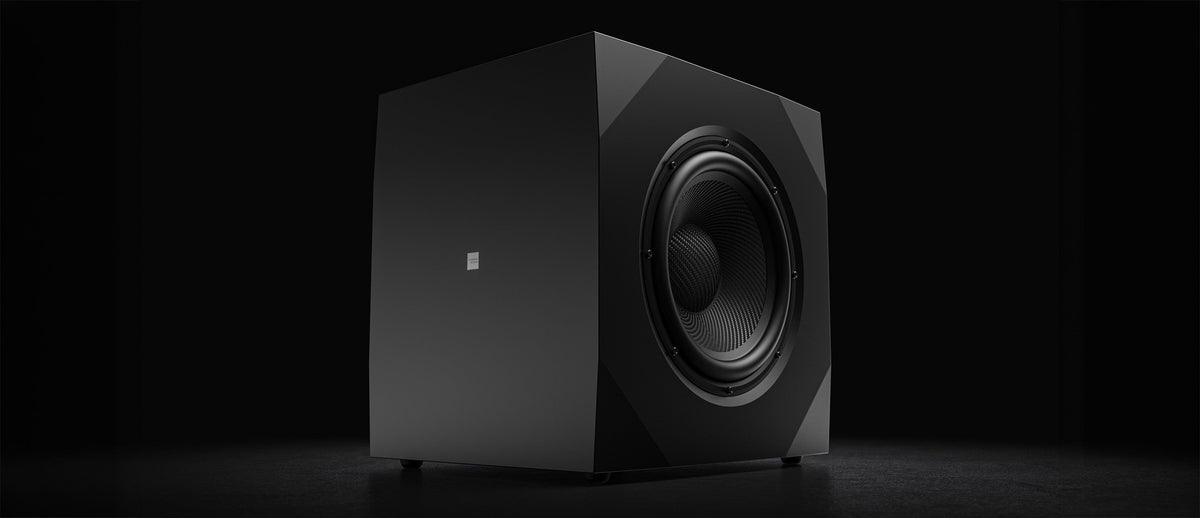
And we have to do more than just reproduce the sound level, we have to do it in a linear, non-distorted fashion. This is why our SBS and Manta speaker systems make so much sense, as they allow the bass to be handled by subwoofers. And you can build out with as many subwoofers as needed to reach the desired capacity.
So do you need more capacity?
If you listen at moderate levels in a small room, a competent, compact speaker may have all the capability you will ever use.
But if any of the following are true, output capability may be an issue:
- A room above roughly 30 m² / 300 square feet, and/or with an open connection to other spaces
- A listening distance of 3 m or more
- A desire to play at sound levels approaching the original performance
- Mixed use between music and home theater
What Sigberg Audio does differently
There's no real standard of defining SPL across brands. You need to experience a system with genuine headroom at elevated levels to really get what that sounds like.
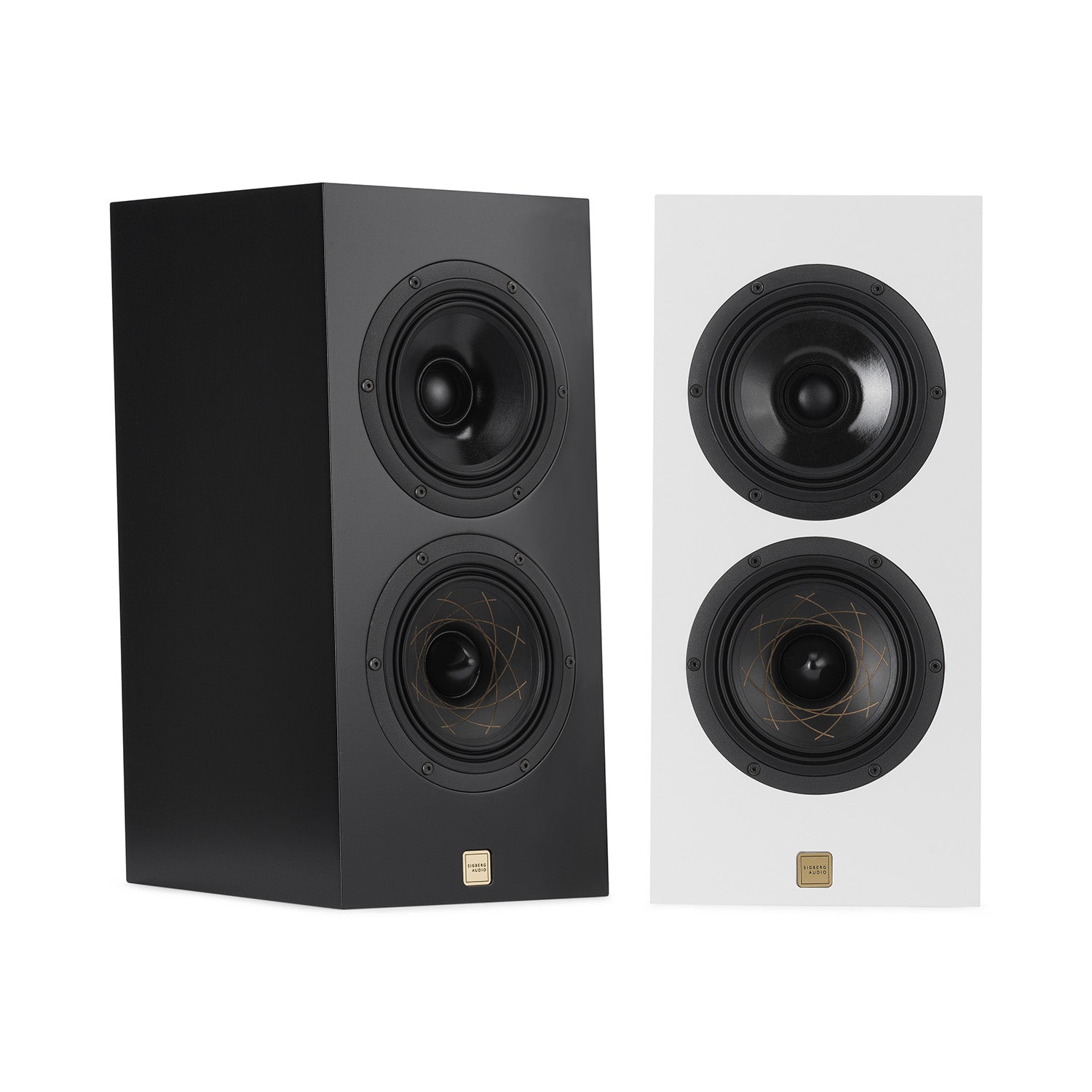
Even our smallest system has very high dynamic capacity, and all our systems are built from the ground up to provide realistic sound levels without falling apart. And it's not just about playing loud. The capacity also means that at moderate listening levels the distortion is vanishingly low, and the sound completely effortless.
With enough headroom, playing loud makes you want to turn it up even more, not down.