
Introduction
Rhubarb Park is a creative music hub located on a farm just outside Halmstad, on the Swedish west coast.
It brings together a cluster of professional studios where artists, producers and songwriters work in dedicated, high-quality and comfortable environments close to nature. The focus is on creating spaces where you can be fully creative without losing focus, while working with sound that translates – from writing and recording to mixing and mastering.
Several studios operate side by side, allowing different projects and workflows to coexist, from independent artists to internationally established acts. With a residential setup, everyone can live and work in the same place and stay fully immersed in the process without distractions.
At the center of this is Sweetspot Studio, founded and run by Rickard Bengtsson.
Experience, and a Persistent Challenge
Rickard is a music producer and mixing engineer with over 25 years of experience, having worked with artists such as Arch Enemy, Opeth, Meshuggah and Spiritual Beggars, among others.
His background is as a guitarist and vocalist, but early on he developed a strong connection to the studio environment. What started as recording demos in a rehearsal space gradually turned into working with other bands, and eventually into a long-term career in production and mixing.
Throughout his career, one recurring challenge has been monitoring: “Finding a listening environment that you can truly trust when making critical decisions.”
Even with high-end studio monitors in well-treated rooms, there has often been a level of uncertainty – especially in how decisions translate outside the studio.
The Introduction to Sigberg Audio
Rickard describes himself as curious about new technology and people pushing development forward. That led him to reach out to Sigberg Audio.
Two systems were brought to Rhubarb Park during Rhuba Camp, where around 30 producers and songwriters gathered to write and produce music.
The reaction was immediate:
“People walking into the rooms would stop and ask things like, ‘What are these speakers?’ or ‘I need these.’”
But beyond first impressions, the systems delivered something more important: “Clarity for critical decisions, depth and musicality for playback, and most importantly, results that translated consistently outside the studio.”
One of the visiting producers noted that decisions made while working on the system directly improved the overall quality of the production. At that point, the decision was straightforward: "We wanted to build our studios around something we could fully trust. Something told us that we had found just that."
A New Experience in the Mix Room
Joakim Dahlström has a background as a drummer, and works as a producer, recording and mixing engineer at Sweetspot Studios. Working in the smaller mix room, the change was immediately noticeable.
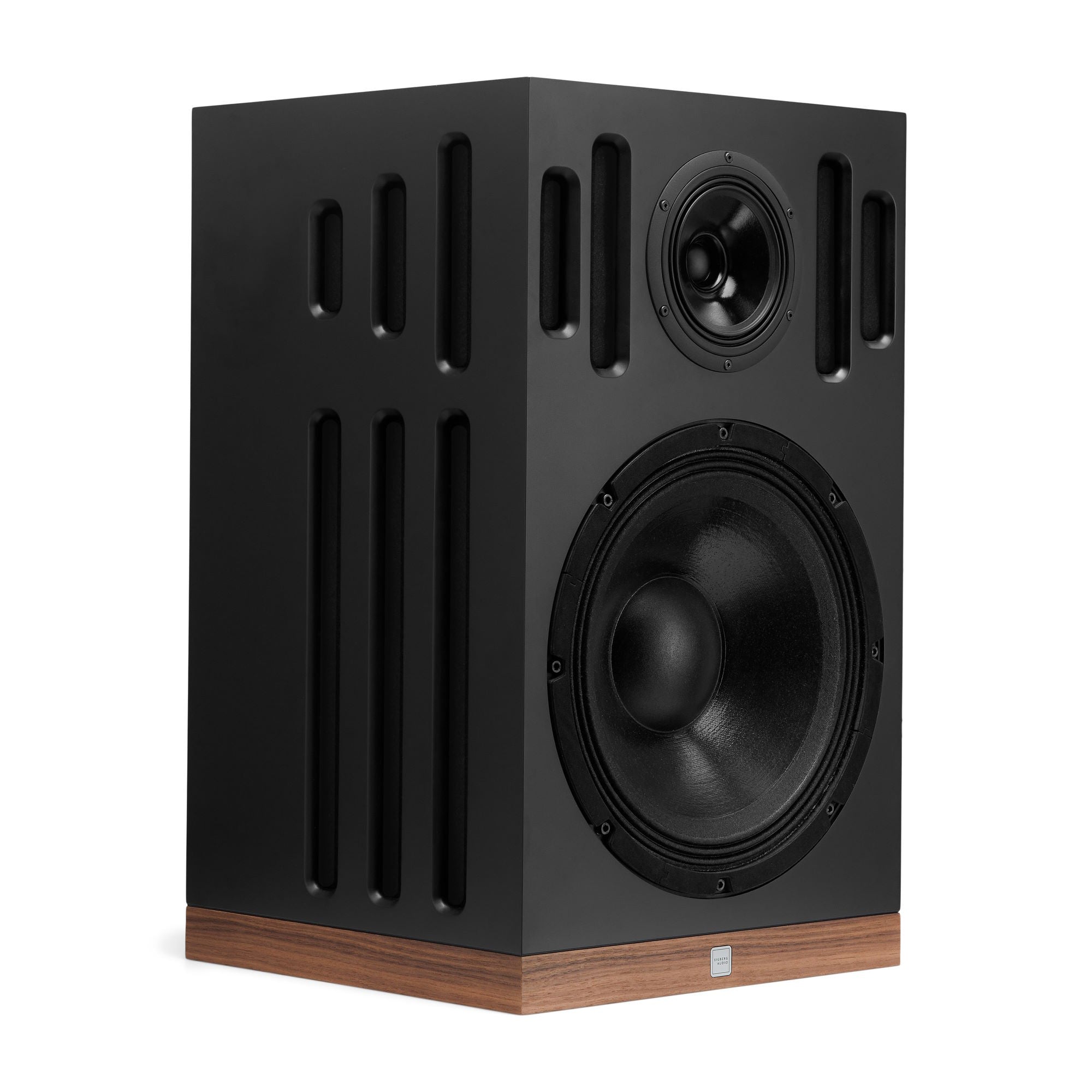
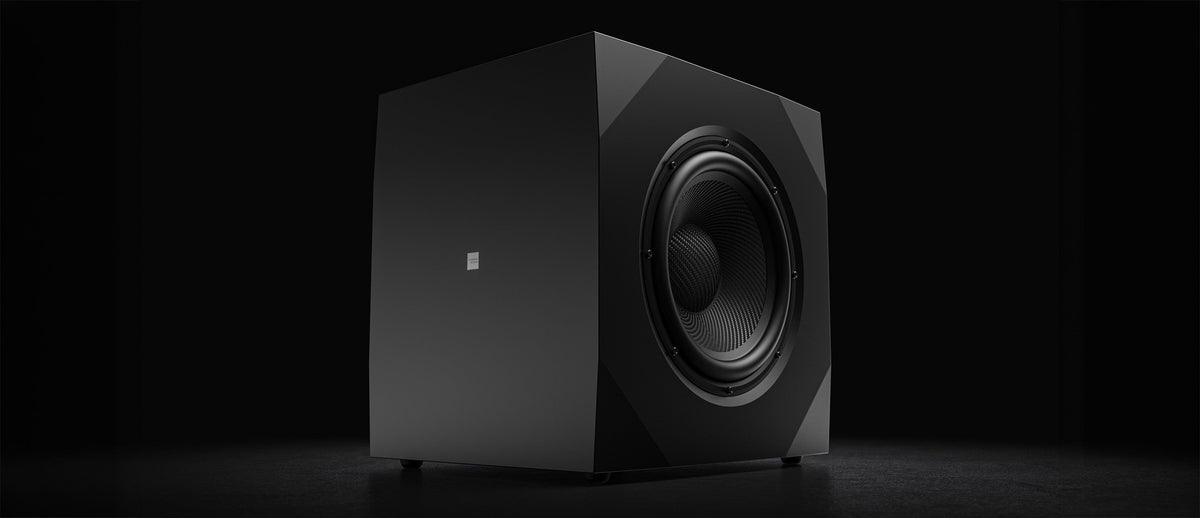
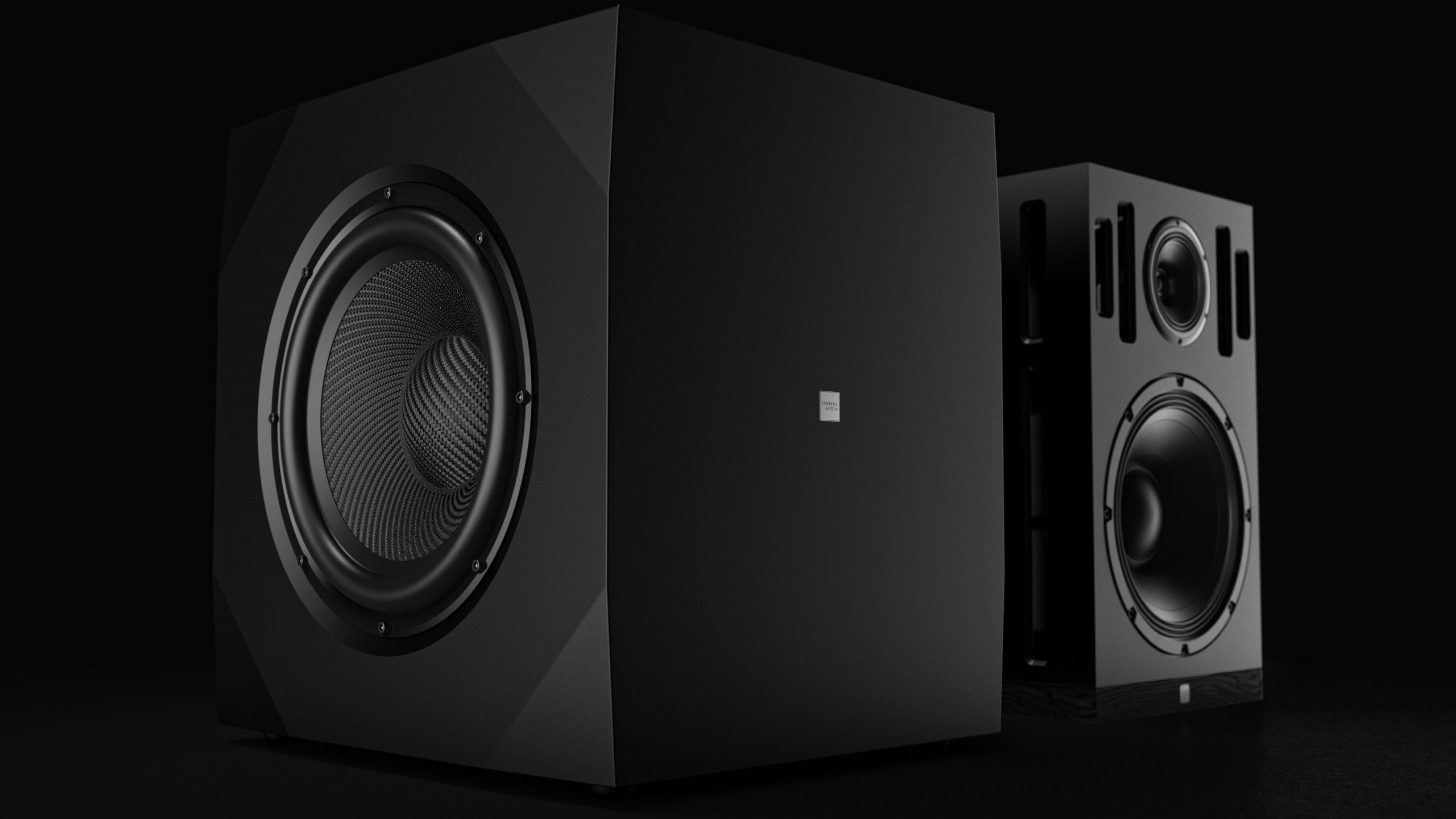
The system, The Sigberg Audio SBS with Inkognito subwoofer, was easy to place and easy to adjust, even in limited space.
But for Joakim the most striking difference was the listening experience: “The room feels bigger. The wall behind the speakers moves further away from the mix position, and the sides open up.”
This makes it easier to take decisions during mixing, as the placement of different sound sources becomes clearer, creating more space in depth, width and height.
The built-in EQ also plays a role: “To trim them with the built-in EQ to adapt the sound to the room is extremely smooth, and allows me to tailor the listening to my own preference.”
Low-End You Can Trust
The addition of subwoofers is described as a turning point:
“The subwoofer is a game changer for this setup, with a clean and clear bass reproduction without taking over.”
This leads directly to more confident decisions during mixing, especially when it comes to low frequencies.
The difference becomes obvious when referencing outside the studio: “In a car stereo, hi-fi systems or a Bluetooth speaker in the kitchen – the mix translates in a way that previously felt like a bit of a guessing game.”
Joakim summarizes it simply: “The most important thing with the speakers you work on is that you can trust them, so you can work intuitively – with what actually matters, the music.”
Sigberg Audio hits different
"One important factor for us has been the direct connection to the manufacturer," says Rickard. "Thorbjørn has been very accessible and service-minded throughout the entire process – from initial contact and demos to helping us with setup and implementation. That created a strong sense of trust and professionalism from the start."
Beyond the service and support, Rickard shares that what stood out was the balance between musicality and precision. In many monitoring systems, you often have to choose between something that sounds enjoyable and something that is highly analytical. With Sigberg, we experienced both.
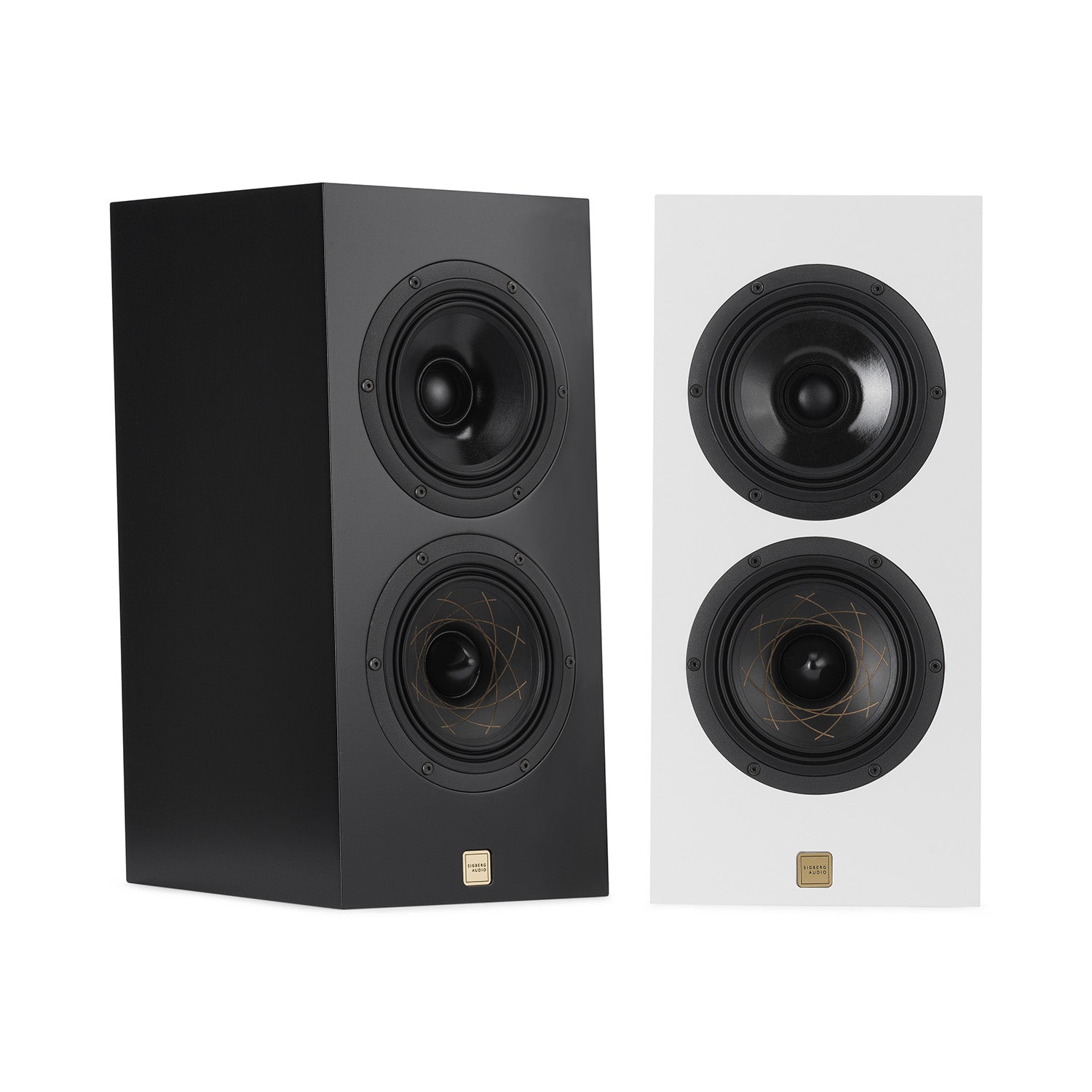
Rickard ticks of further benefits: "Both the Manta and SBS setups offer a wide sweet spot, both horizontally and vertically. That makes a big difference in a real studio environment, where you naturally move around – adjusting gear, working at a desk, or interacting with clients. It also improves the listening experience for others in the room."
"Finally, the systems offer plenty of headroom and dynamic range. We generally prefer working at moderate levels, but when clients want to listen louder, the systems handle it without losing clarity or control."
Translation Above All
For Staffan Karlsson, with a career spanning from Copenhagen studios to Los Angeles working with Earth, Wind & Fire, Stevie Wonder and others, the key difference is straightforward:
“The biggest difference to other speaker systems I’ve used is that Sigberg translates very well in other listening environments.”
The reaction from artists and producers working in the studio reinforces the same point. According to Staffan: “People that work in the studio really light up when they listen back to recordings.”
The feedback is consistent: “It sounds natural, open and clear.”
A Noticeable Shift
Across all three perspectives, one theme comes back repeatedly:
Trust.
Rickard describes it as the biggest shift: “For the first time, we feel fully confident in what we’re hearing.”
That confidence affects everything:
- Decision-making
- Workflow
- Final results
Staffan puts it in even more direct terms:
“Sigberg Audio makes me a better mixing engineer and producer.”