
Please introduce yourself!
My name is Martin Danielle, although many people probably know me best through my work as CLMD. I've been working professionally as a producer, songwriter, DJ and artist for over 15 years. During that time I've been fortunate enough to tour internationally, release music that has been streamed hundreds of millions of times, and collaborate with artists and producers from all over the world.
I've also spent several years living in both New York and Los Angeles, building a network and gaining inspiration from different music scenes and creative communities. While CLMD remains an important part of my journey, in recent years I've also become increasingly interested in exploring new artistic directions outside of the traditional EDM framework.
That exploration eventually led to my latest project, På Diskoteket, where I reinterpret classic Norwegian songs through the lens of house music, disco and contemporary electronic production. It's a project driven more by artistic curiosity than commercial expectations, and it has reignited a lot of the excitement I felt when I first started making music.
What made you decide to become a DJ and producer?
I was actually introduced to dance music at a very young age. My mother worked as an aerobics instructor, so I grew up surrounded by four-on-the-floor beats, synthesizers and high-energy dance records. Looking back, those sounds probably shaped my musical taste long before I realized it.
It wasn't until my teenage years that I discovered DJing. A friend of mine was really into PA systems and would bring equipment to all the house parties. Among the gear was an old Numark DJ rack, and that became a turning point for me. Carl, who later became my partner in CLMD, and I were always the ones burning CDs for those parties, mostly house, hip-hop and trance.
What do you enjoy the most about it?
While everyone else was focused on the party itself, I found myself more interested in standing behind the mixer, turning knobs and figuring out how everything worked.
I completely fell in love with DJing. Very quickly I realized that if I wanted to make it a career, I would eventually need to create my own music. The passion for songwriting and production actually came later. In the beginning, producing was simply a means to an end, a skill I felt I needed in order to achieve my goal of becoming a professional DJ.
Today, what I enjoy most is still that connection between creating music and sharing it with people. As a DJ, you get immediate feedback from a crowd. As a producer, you can spend months refining an idea before anyone hears it. The combination of those two worlds is what has kept me motivated throughout my career.
You recently released an unusual project album, "På Diskoteket". Can you share a bit about the project and the idea behind it?
The idea came from a simple realization: Norway has an incredible catalogue of songs that younger generations barely know anymore.
As someone who grew up digging through old records and finding inspiration in music from previous decades, I started wondering what would happen if these songs were treated the same way that house music producers have always treated old disco and soul records.
Instead of simply making remixes, I wanted to reimagine them as if they had been written for today's dance floors.
The project became a way of connecting different generations through music. Younger listeners discover songs they might never have heard before, while older audiences get a new perspective on music they already have a relationship with.
From a production standpoint it was also a fascinating challenge. Many of these songs come from a completely different era of recording and arranging, so finding ways to preserve their identity while making them work in a modern club context required a lot of experimentation.
As an EDM producer, what is important to you in a monitor system?
For me, translation is everything.
Electronic music lives in very different environments than many traditional genres. A track has to work on studio monitors, headphones, AirPods, car stereos, festival PA systems and club sound systems. If your monitoring system is lying to you, you'll spend endless hours chasing problems that don't actually exist.
Low-end accuracy is particularly important. In house and electronic music, so much of the emotional impact comes from the relationship between kick and bass. If that relationship isn't clear, you're essentially making decisions blind.
I also care a lot about dynamics and transient response. The groove of a track isn't just about timing, it's about how clearly you can hear the attack and movement of different elements. Small changes can completely alter how a record feels on a dance floor.
Finally, I want a system that allows me to work for long sessions without fatigue. If speakers sound impressive for thirty minutes but exhausting after four hours, they're not helping me make better decisions.
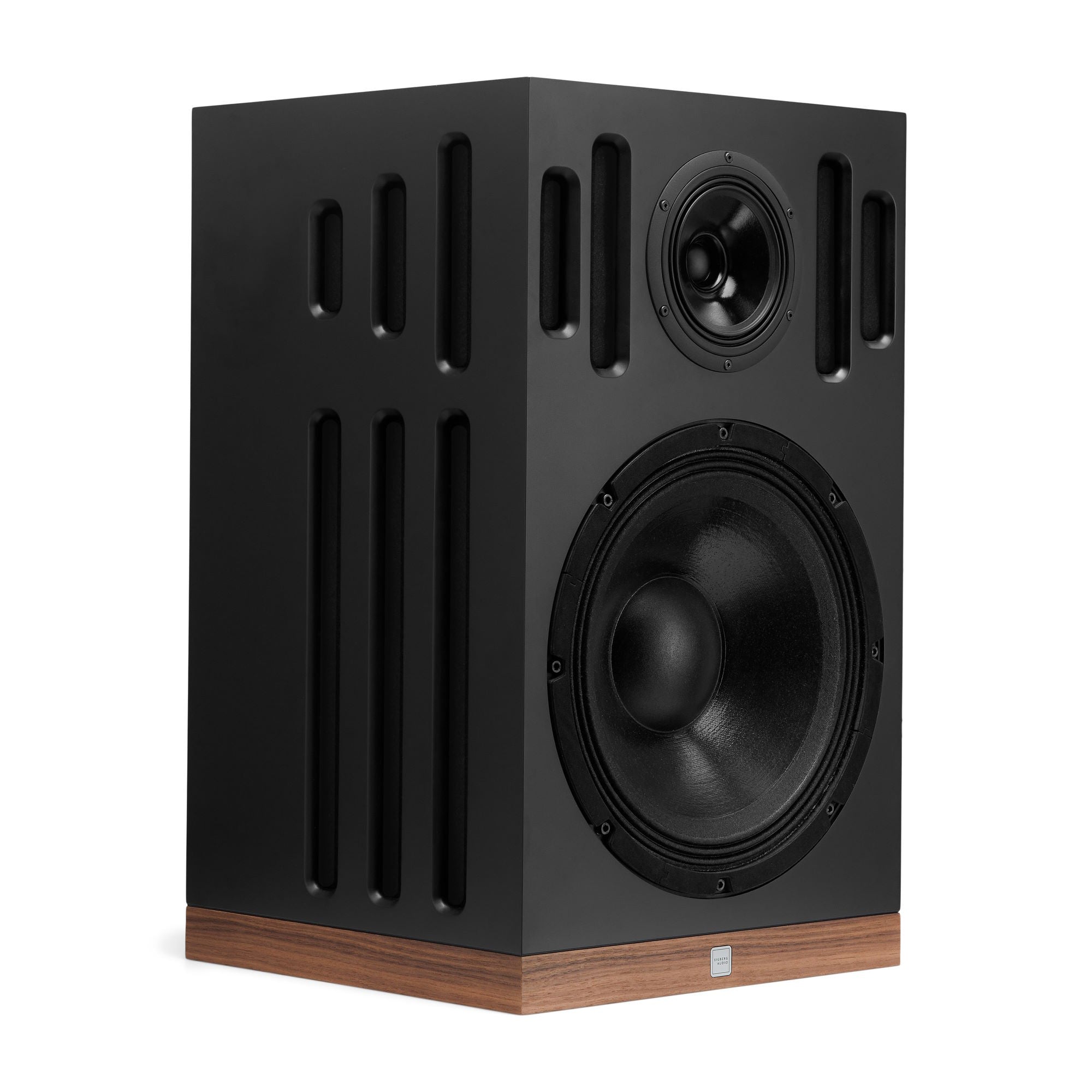
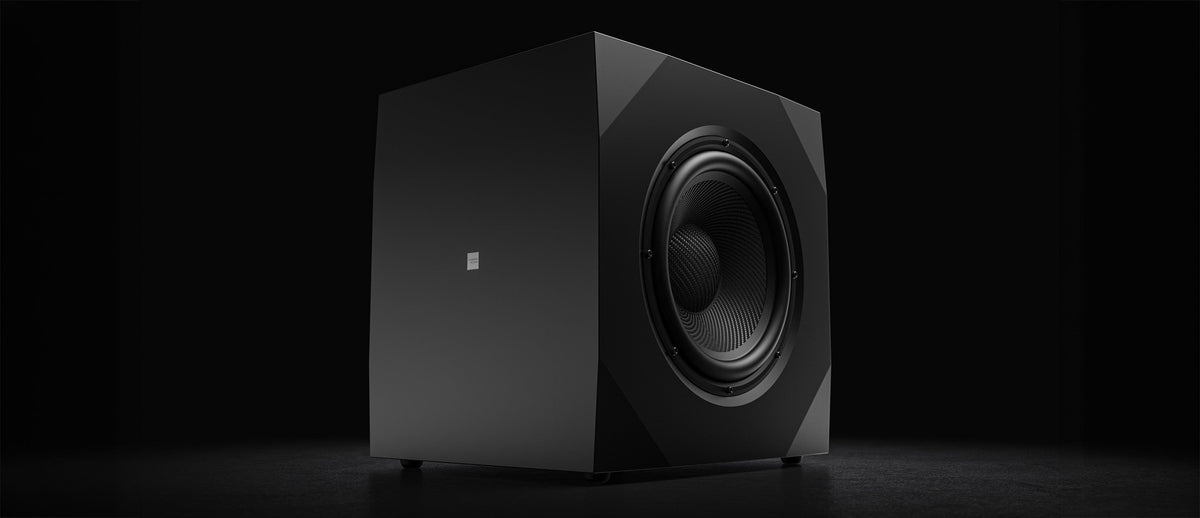
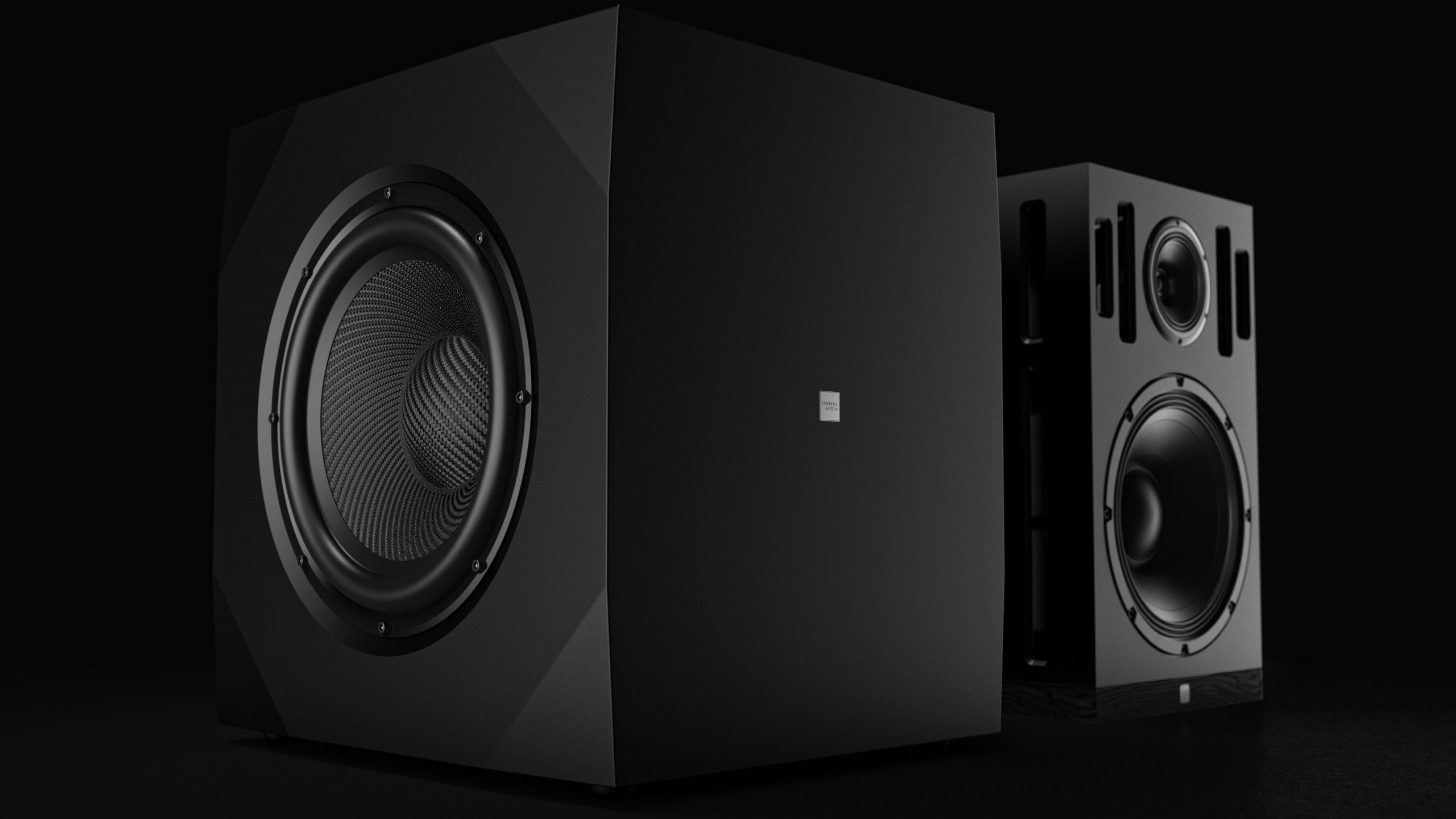
You now have the Sigberg Audio Manta system with dual Inkognito subwoofers. Please share your experience with the system.
The biggest difference for me has been confidence.
With many systems, you're constantly second-guessing what you're hearing. You end up checking on headphones, then in the car, then on another set of speakers, and before you know it you've spent half the day verifying decisions.
With the Manta system, I find myself trusting what I'm hearing much more quickly.
The low end is probably what impressed me first. It's not just that there is a lot of bass, it's that the bass feels controlled and informative. I can clearly hear what's happening in the sub frequencies without them overwhelming the rest of the mix.
The imaging is also excellent. Small details are easier to place, and it becomes much easier to identify problems before they become problems.
One thing I've noticed is that visiting collaborators often react quite quickly when they hear the system. Most producers are used to choosing between either accuracy or enjoyment. The Manta setup manages to be analytical enough for serious work while still making music genuinely fun to listen to.
That's a combination I don't think is particularly common.